Continuing on our culinary journey through Japan, the Tokaido bullet train boards for Kyoto. If you missed our previous stops in Tokyo and Hakone, you can read them here and here. We are exploring this path as Basho, the famous haiku poet, once did and sharing our thoughts in a travelogue, interspersed with haikus composed as we travelled. Capturing the impressions of Kyoto, first night there I wrote:
Very modern room,
In a very ancient city,
Exquisite design.
Walked the river path
Restaurants and bustling crowds,
Heron welcomes us.
Crowded shopping streets,
Yakitori for dinner,
An ice cold Kirin.
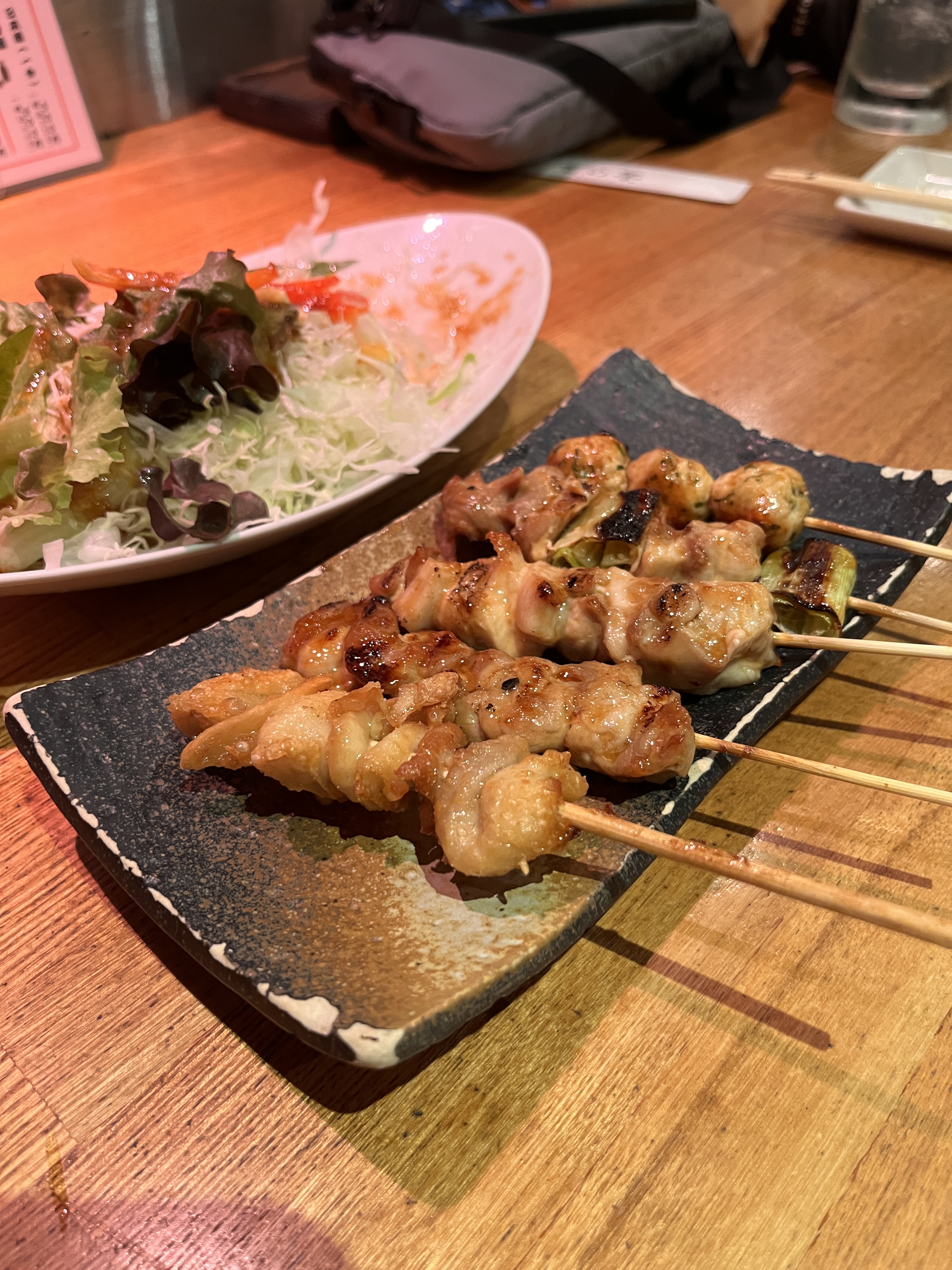
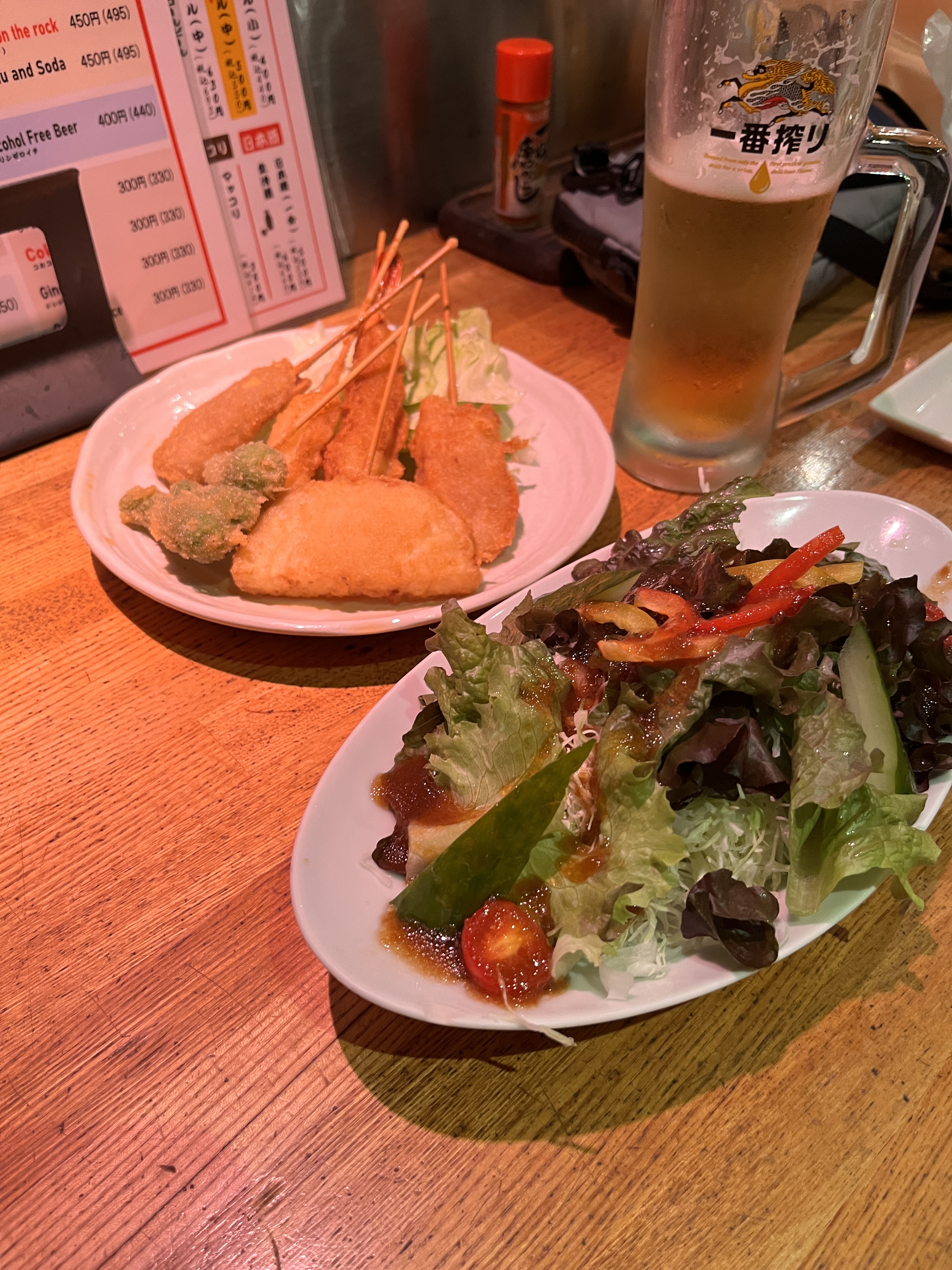
Yakitori apparently means “grilled bird” and you can see five common varieties on the plate on left. From left (bottom) to right (top) there is chicken skin, chicken thigh, chicken breast, chicken thigh with spring onion, and chicken meatballs. Each are brushed with “tare”, also called yakitori sauce, which is a blend of sake, mirin, soy and brown sugar, reduced to a glaze, as they cook over a charcoal grill. This is a common street food throughout Japan. The tempura skewers in the picture on the right are sweet potato, shrimp, and shishito peppers. I saw more food on a skewer in Japan than I’ve seen at the Wisconsin State Fair, and that’s saying something!
Imagine this approach used on duck, utilizing every part and pairing it with indigenous herbs, then cooked over a campfire. Maybe we start with a crisp duck skin. Can we get enough thigh meat to create a full skewer? Then a smoked duck breast, sliced thin and wrapped around a dried plum. Maybe a duck breast again with wild leek (ramp) bulbs. And finally a duck meatball with a plum glaze. Ooh, that’s a Great Lakes Cuisine dish.
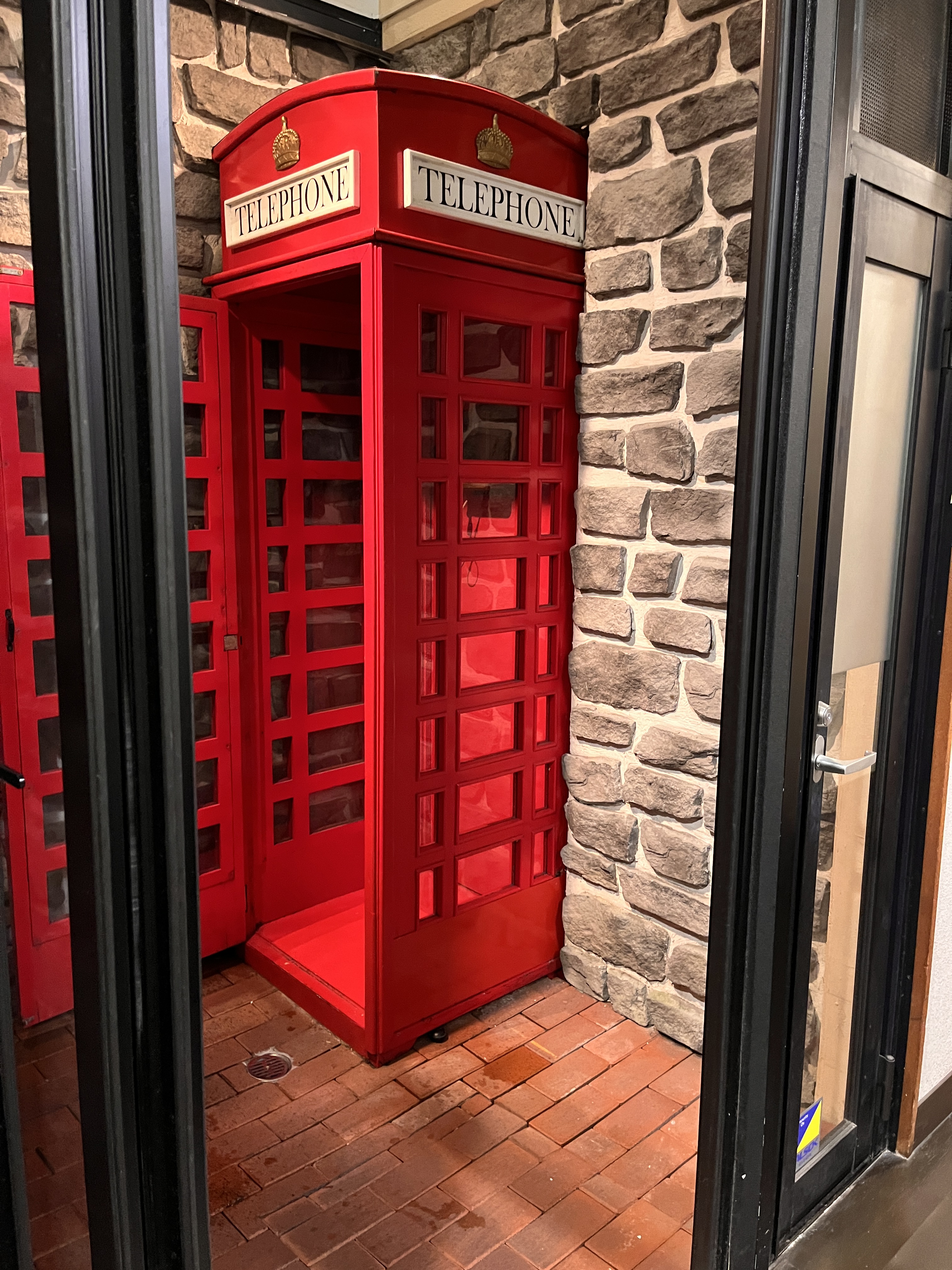
Searching for whisky,
The Doctor’s phone booth
Is bigger inside.
Discovering Stock & Branch,
New layers of bitter flavors.

Notice the cube of ice – perfectly clear, square block of ice, imprinted with the bar name by pressing a metal die to the cube by hand. This was a Manhattan-style cocktail with bitter, dark chocolate flavors from the amaro, with sticks of dark chocolate candied orange peel. The door to the bar was unmarked, with no indication that the back of the old-style phone booth was actually a door to the twenty-seat bar. Ah, the cocktail culture of Japan is a beautiful thing.

Day two in Kyoto, inspired by the Daisen-in, a sub-temple in the Daitoku-ji complex, I wrote:
Japan’s oldest doors,
Open to reveal all nature.
River to ocean,
Drops flow to infinite sea,
Maple leaves turn, fall, return.

Then we went to the Ikkyu on the grounds, which has been serving temple food for 500 years! In our previous post on Hakone (linked above) we went into some depth on the kaiseki meal, which started as treats served alongside tea at the temple. Ultimately, the approach was elevated until it became the more formal series of tastes characterizing the kaiseki meal of today. At this ancient temple complex, the meal is presumably much closer to it’s origins.

The opening was a mochi rice cake, similar to what we enjoyed at the tea house in Hakone, along with a warm matcha served in a more traditional bowl, rather than a cup. The recipient is intended to contemplate the bright green matcha tea against clay bowl.

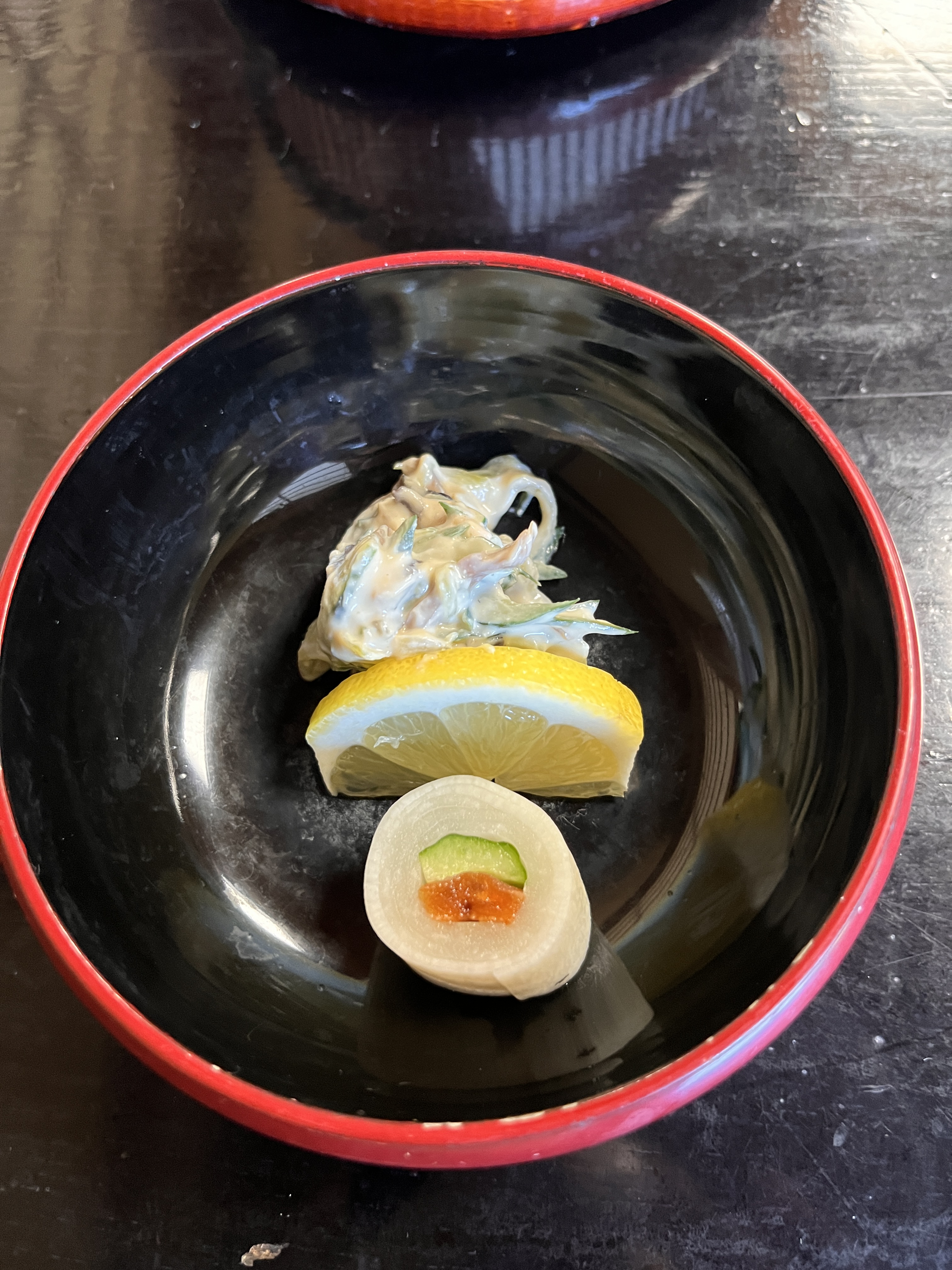


Our lunch meal started with fried treats, including lotus root (upper left). Our second dish was shungiku shiraae – chrysanthemum (crown daisy) greens with a pureed tofu dressing (upper right). Failed to note the items in dish three (bottom left), but I believe it was water chestnuts in a few different preparations. Tofu with chrysanthemum flower and fresh grated wasabi was the fourth dish (bottom right).

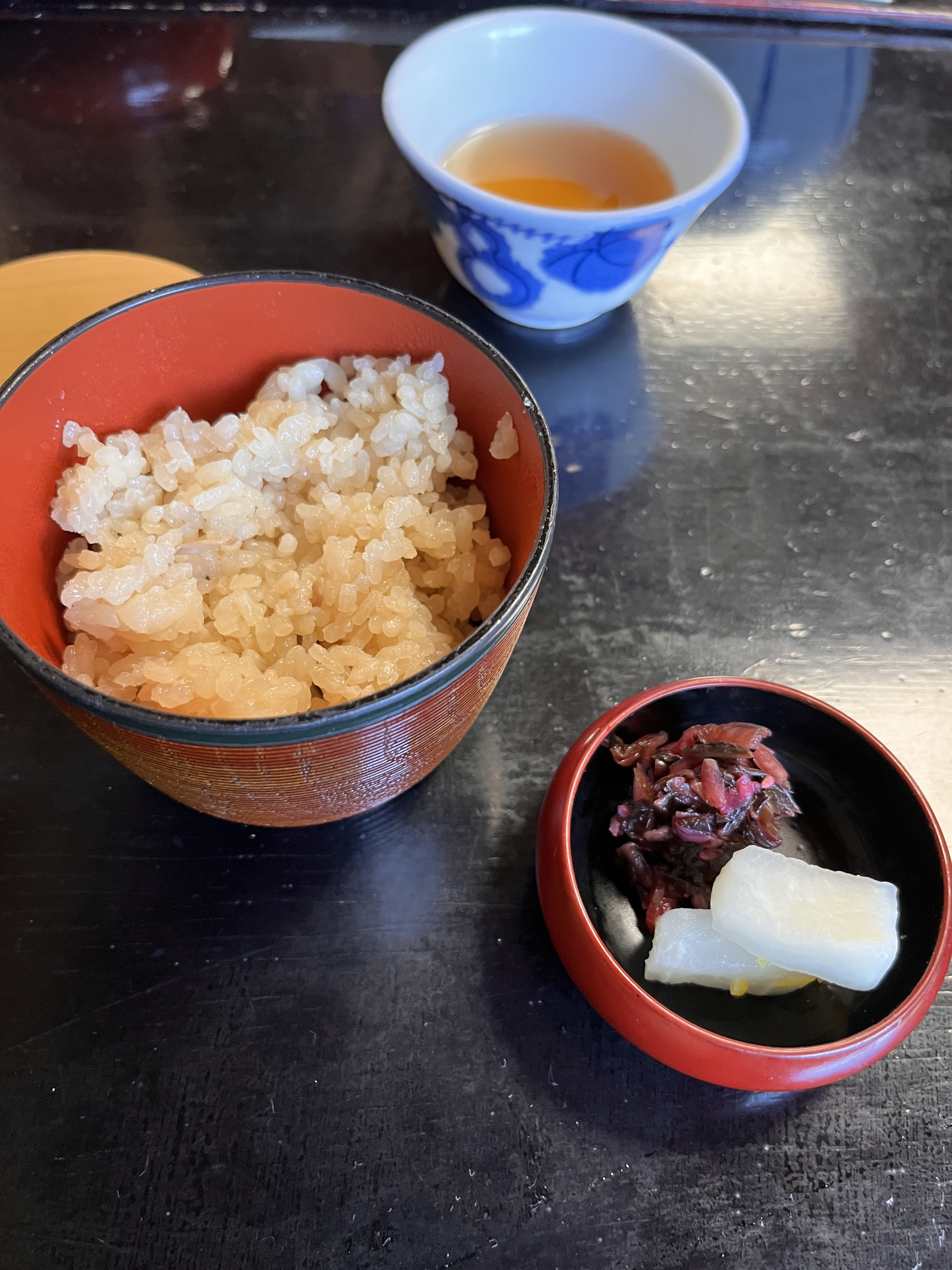
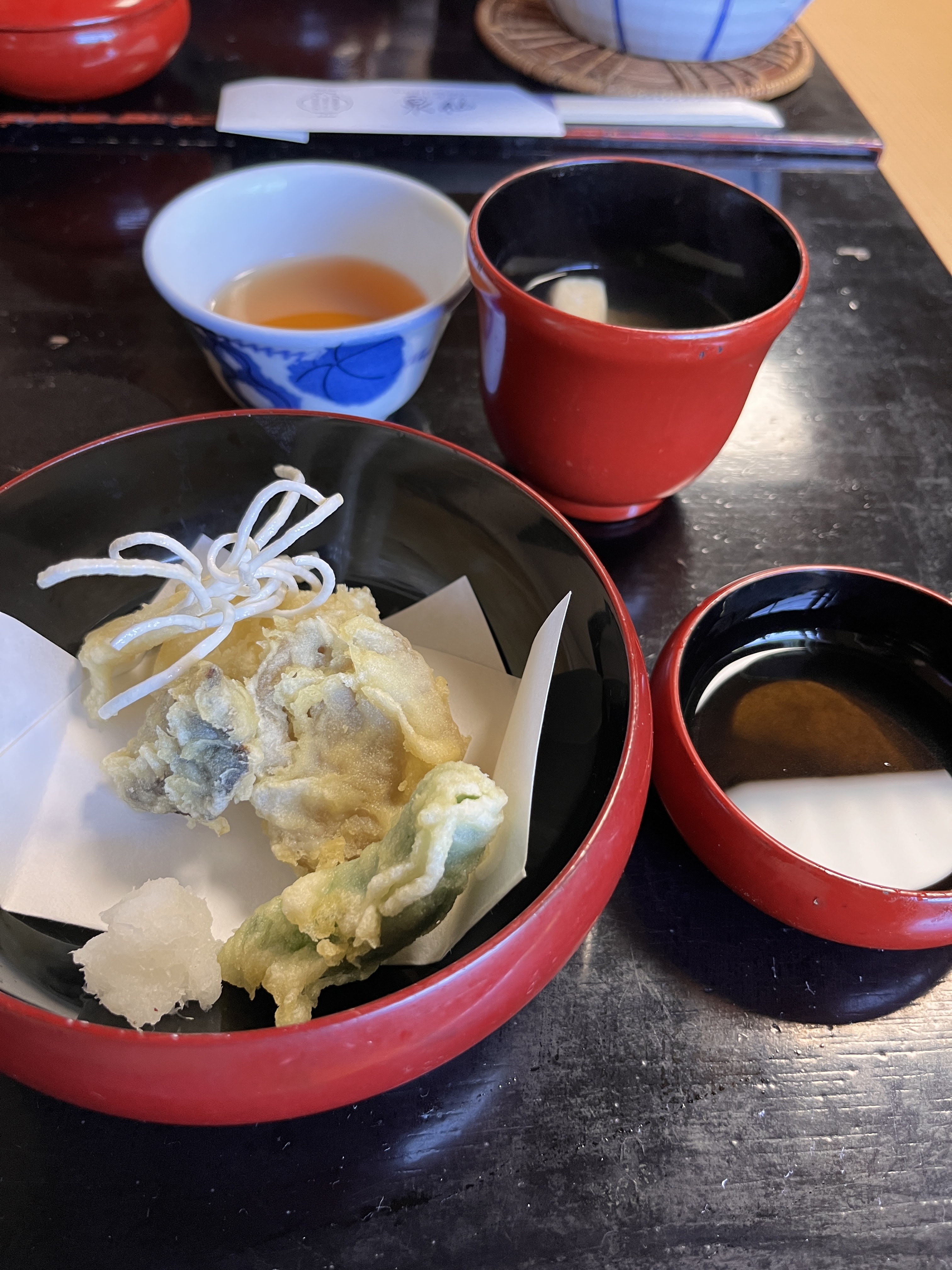
The fifth dish was a boiled mini eggplant (left) followed by another perfect serving of rice along with some Japanese pickles (center). The meal concluded with our seventh dish, a tempura fried shitake mushroom and shishito pepper.
Everything was prepared exquisitely and presented beautifully. I must admit I preferred the seafood kaiseki enjoyed in Hakone, but this meal helps to understand the source. After this lovely afternoon meal, I wrote:
Rice crackers, mochi
With Daitoku-ji matcha.
Warm rice with pickles.
500 year old café,
Freshest fall vegetables.
We continued touring the Daitoku-ji temples where we visited the smallest Zen garden, and I wrote:
Afternoon light glowing,
Gardens at Ryogen-in,
A student arrives.

Oh! Totekiko,
With five barren islands,
The infinite sea.
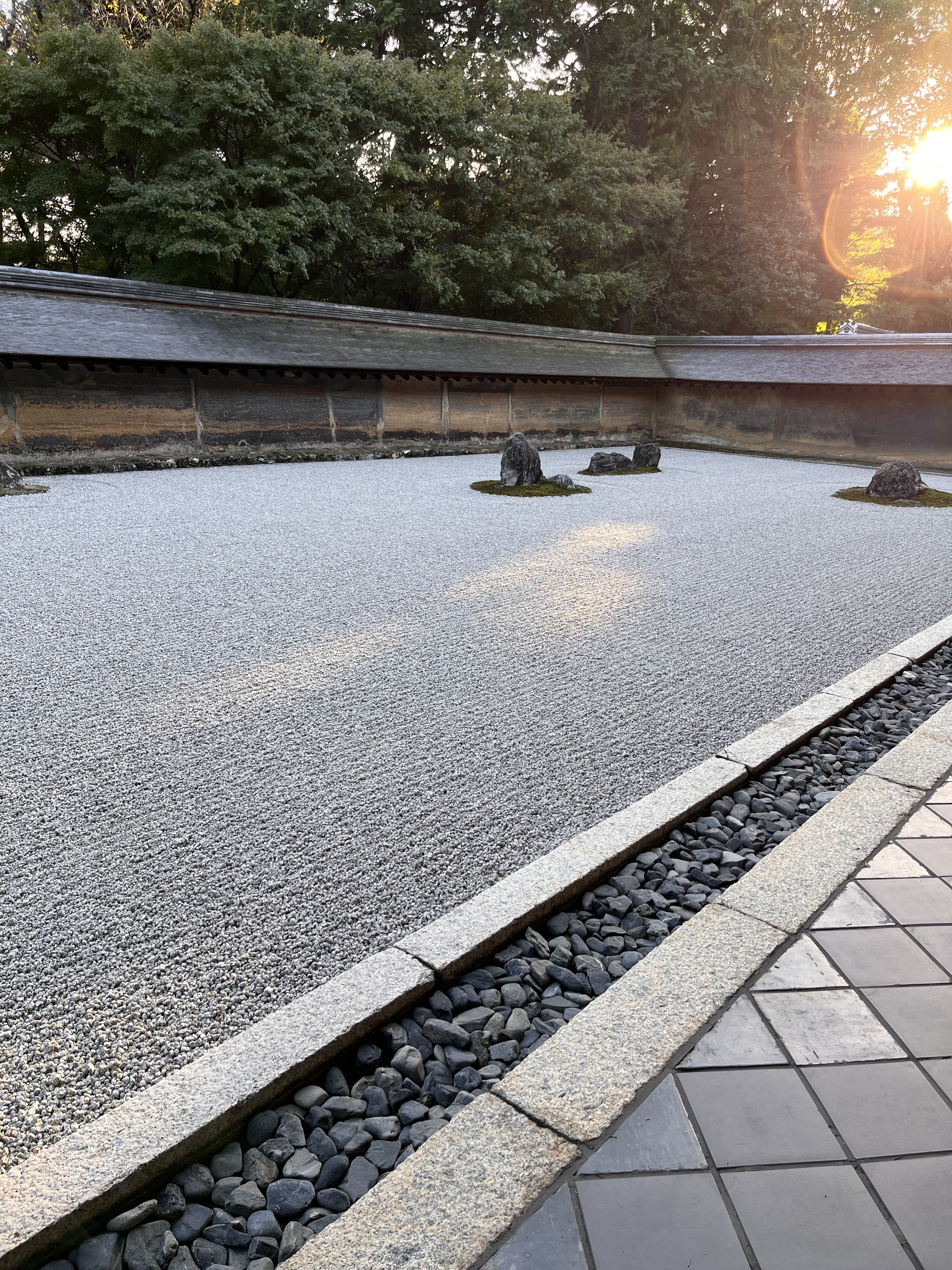
Next Ryoan-ji,
Who’s former estate is this?
Now belongs to all,
Golden light belongs to us,
We sit side by side.
After so much zen,
Conveyor belt sushi!
First time for sea grapes!


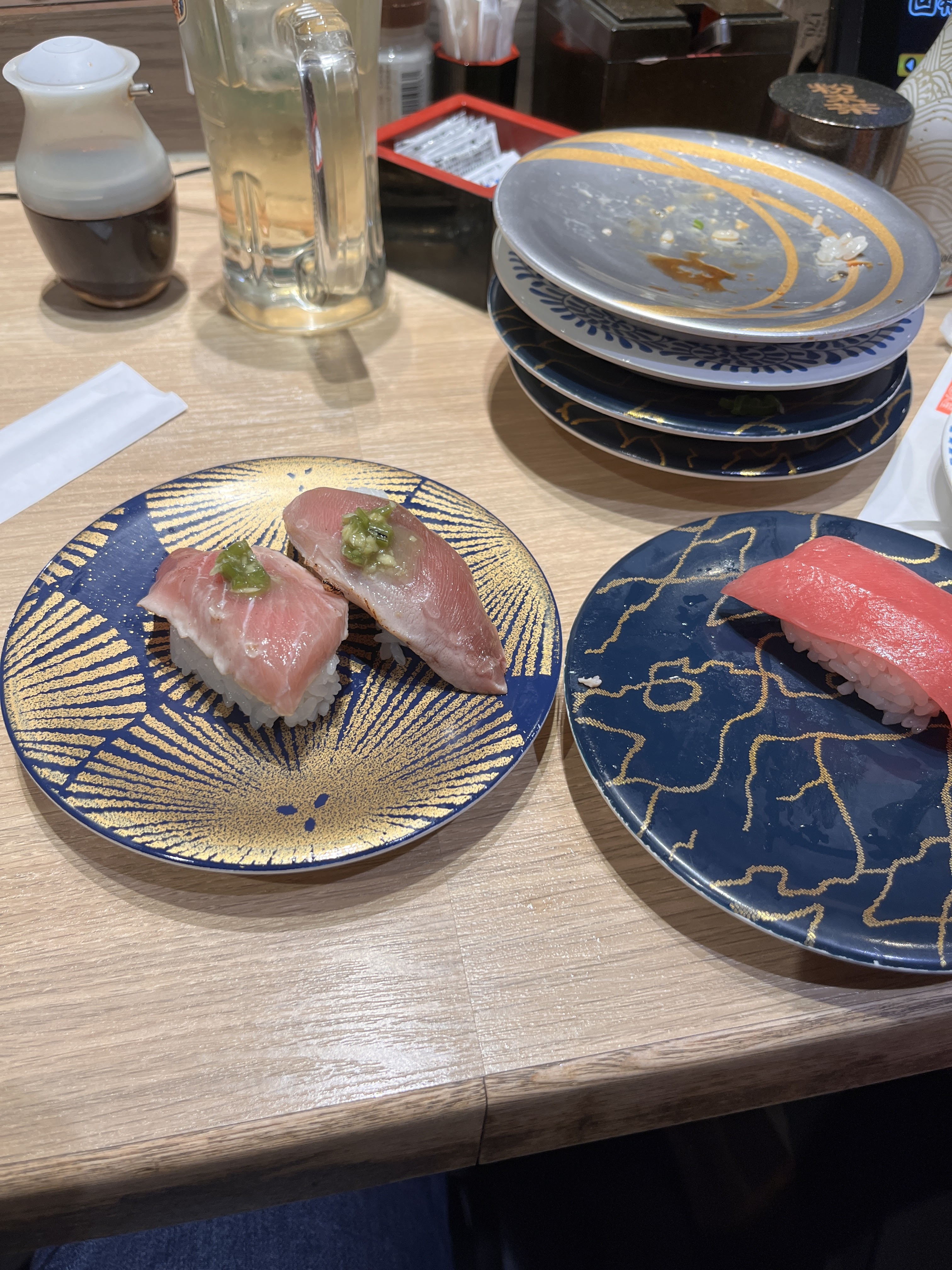
Sushi from left to right of smoked eel, sea grapes, the store front, then hamachi and tuna. The sushi is being made continuously by several chefs and being placed on a conveyor belt. Customers also had a touch pad ordering system in front of them to order drinks and custom orders of dozens and dozens of different types of sushi. The color of the plate indicates the price. It’s not the greatest sushi (we had amazing sushi on day four in Kyoto, detailed below!) but it’s super convenient. After a quick dinner, the next stop was a whisky to finish the evening.
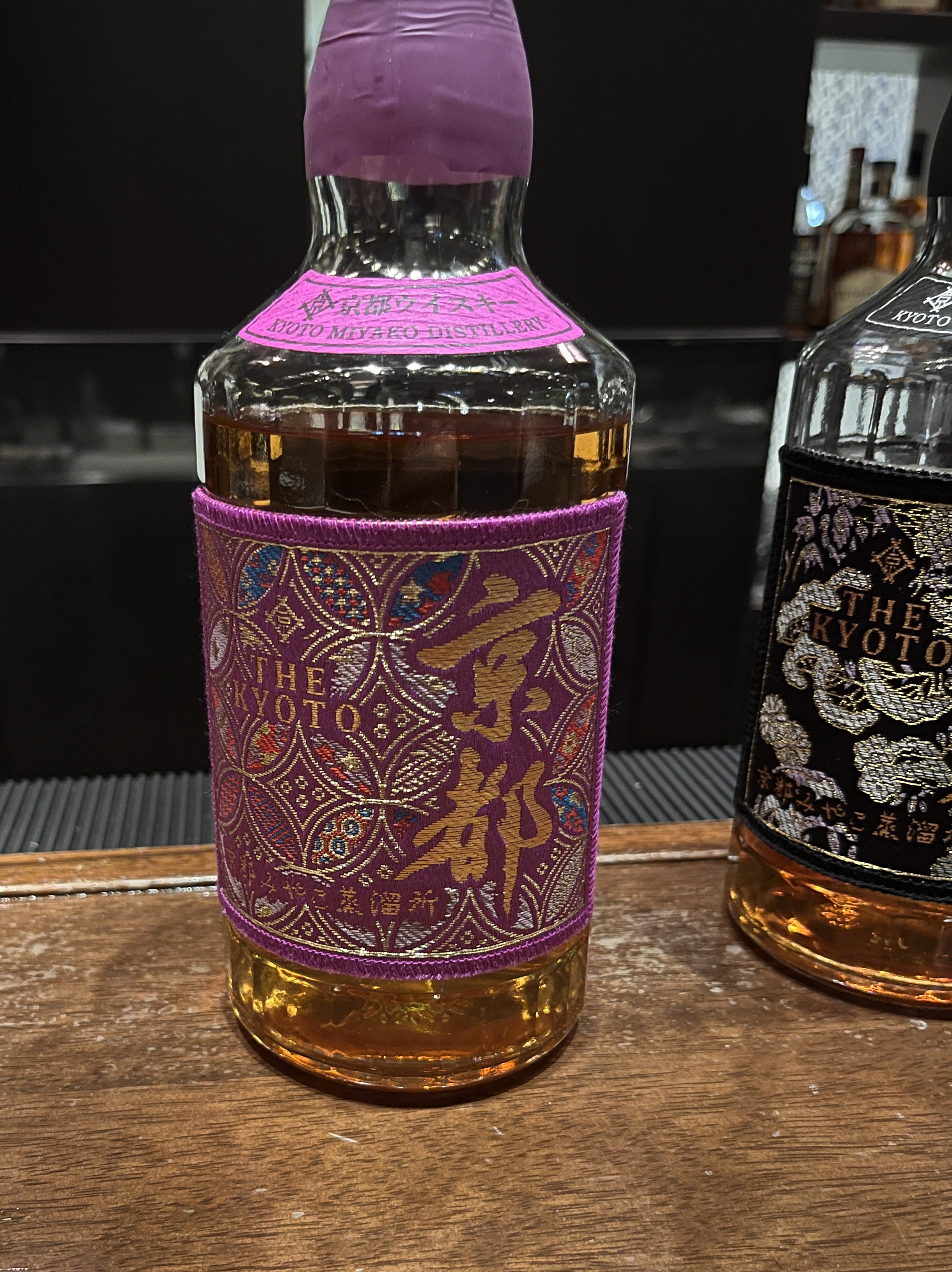
Kyoto whisky
Wearing a kimono sash,
Pretty, but not complex.
Black cat, by crab shack,
Seems content and well-fed.
Late night Kyoto.
On day three in Kyoto we visited the Fushimi Inari Taisha, which is the most important Shinto shrine dedicated to Inari, the god of rice. As we climbed upward through countless red-orange gates, I wrote:
Inari spirit,
Crows call through ancient cedars,
Chanting echoes through.

After 30 flights,
Through sacred orange gates,
Meet a cat named “Bean”.
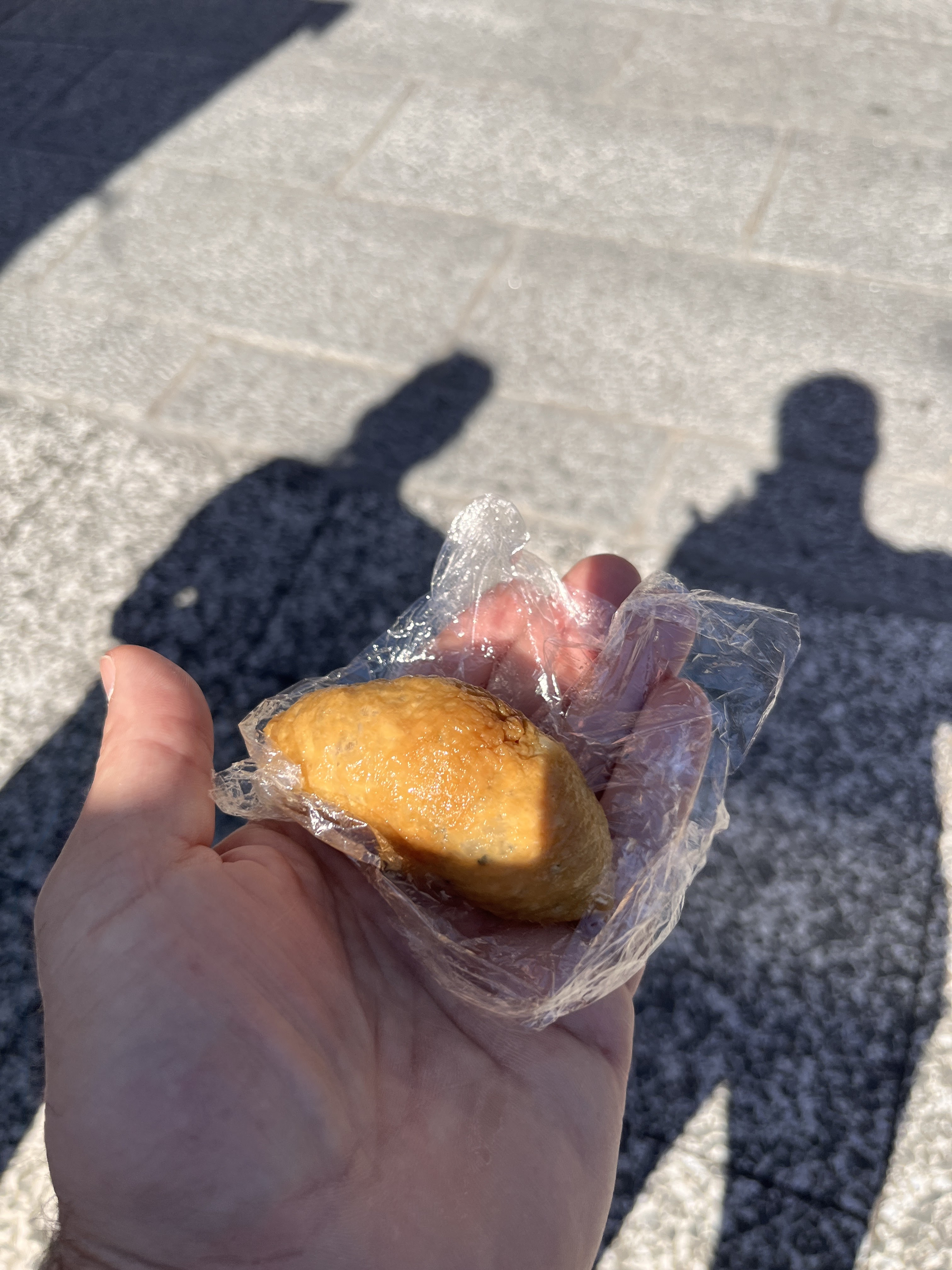
Inari gates end,
Inari sushi awaits!
Then off for ramen.
The Kyoto station, one of the largest buildings in Japan, is 15 floors including the rail station, government offices, shopping, and several food courts. Up on the eighth floor, which can be reach by several escalators that cover 2 stories at a time, there is a food court with at least a half dozen different ramen shops.
Ten escalators
Skyward, thankfully no stairs
To ramen heaven!

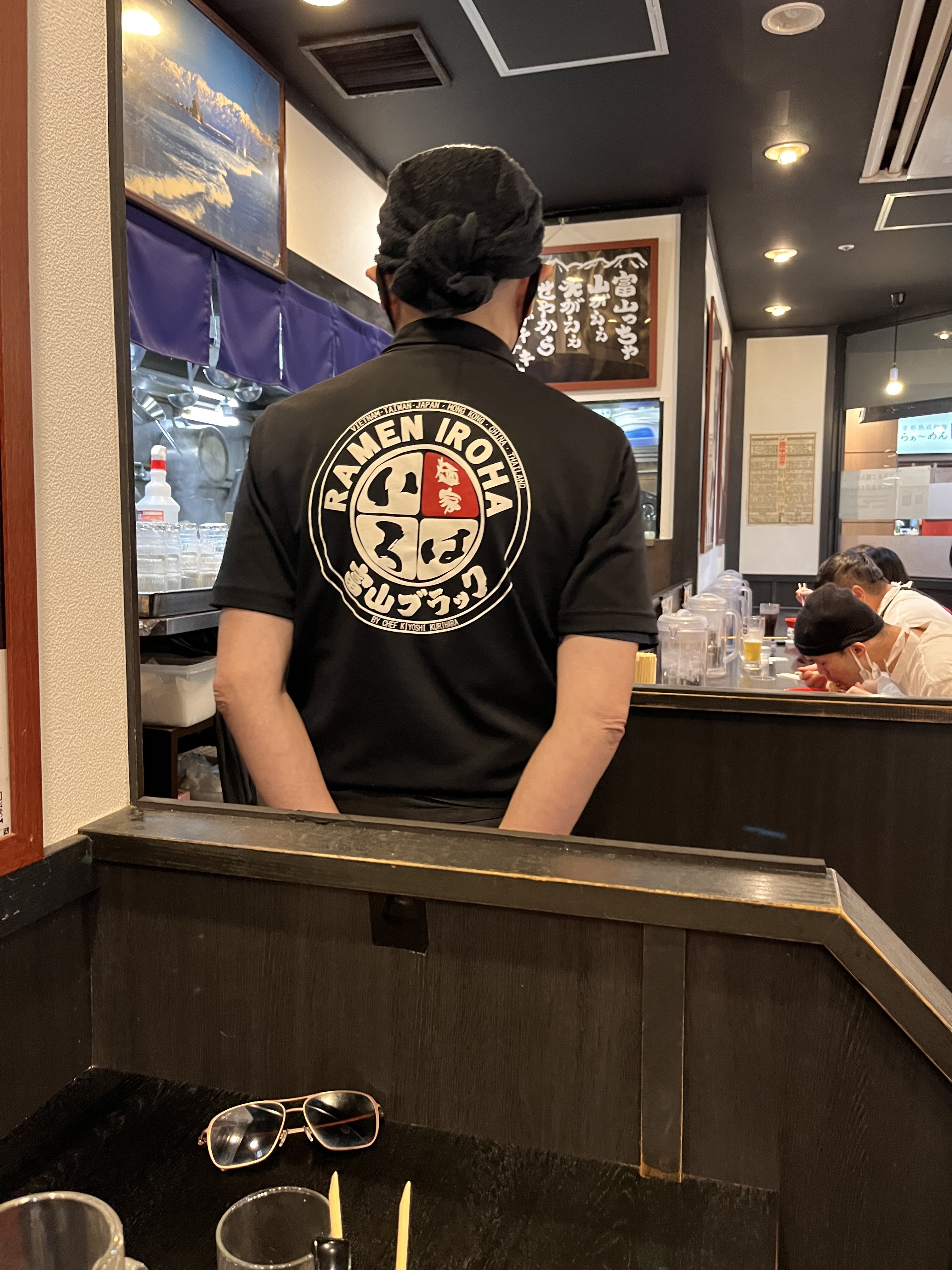
Ramen Iroha,
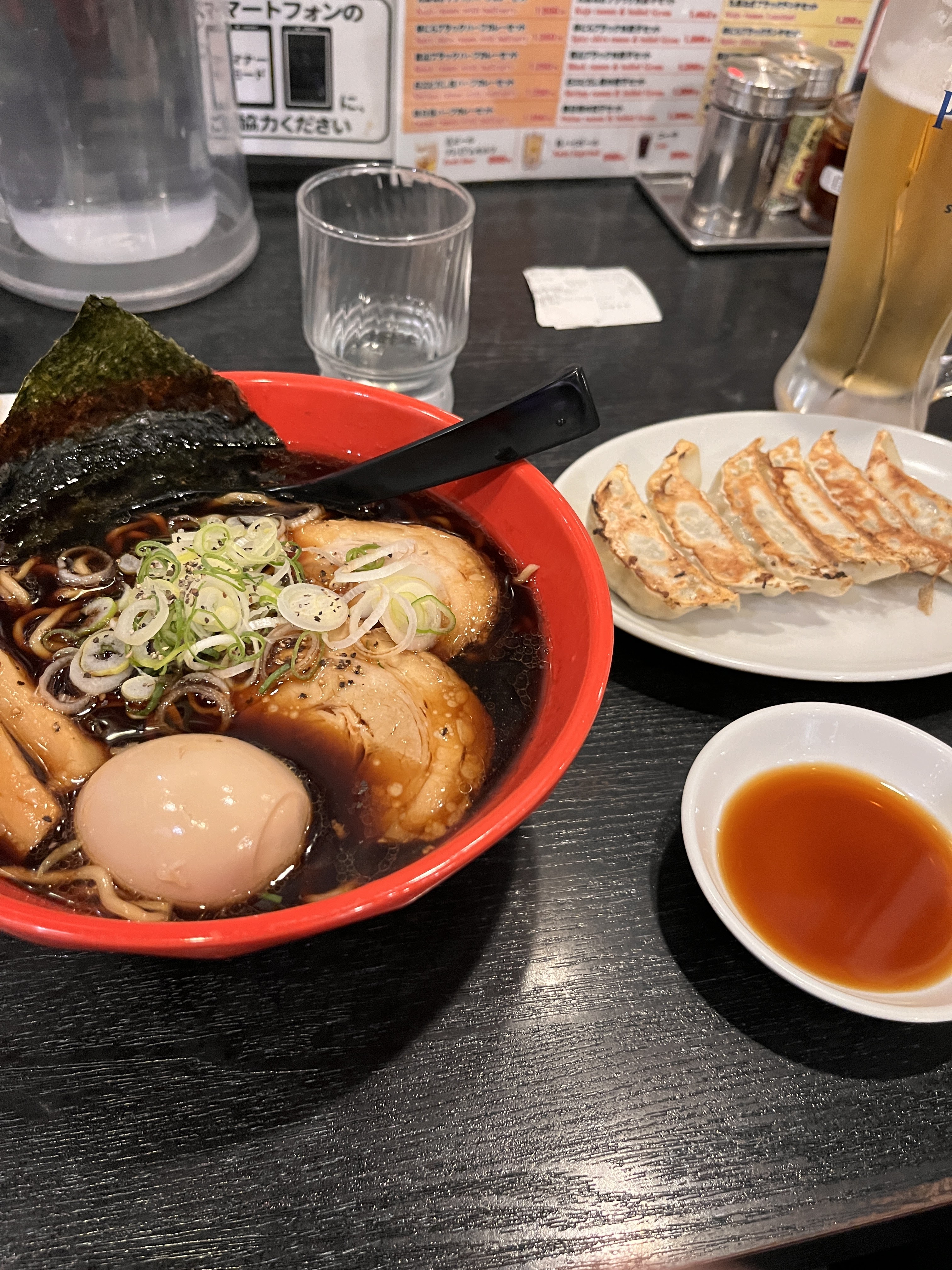
Black ramen, such tender pork,
Award-winning noodles!
We choose Ramen Iroha and the richness of the broth in this ramen rewarded us for the choice. Apparently it has earned many awards including being a 5-time champion at the largest ramen festival in Japan in Tokyo.

Golden afternoon
At Kiyomizu-dera,
Lord of the valley.
Stopping for coffee,
Ah, one with pineapple gel…
Not my best order.

Not sure what I expected when ordering a coffee with pineapple gel. I do enjoy an Arnold Palmer (half black tea, half lemonade over ice), and I’ve heard of the growing popularity of a Mazagran coffee (coffee and lemonade), but this combination…not for me.
Continuing our theme of taking some culinary chances, we decided to go for pizza for dinner. David Chang shared the love the Japanese have for pizza in his Netflix show Ugly Delicious. We found a place in Kyoto, Daniel’s Sole, with a wood-fired pizza oven and an excellent selection of wines.
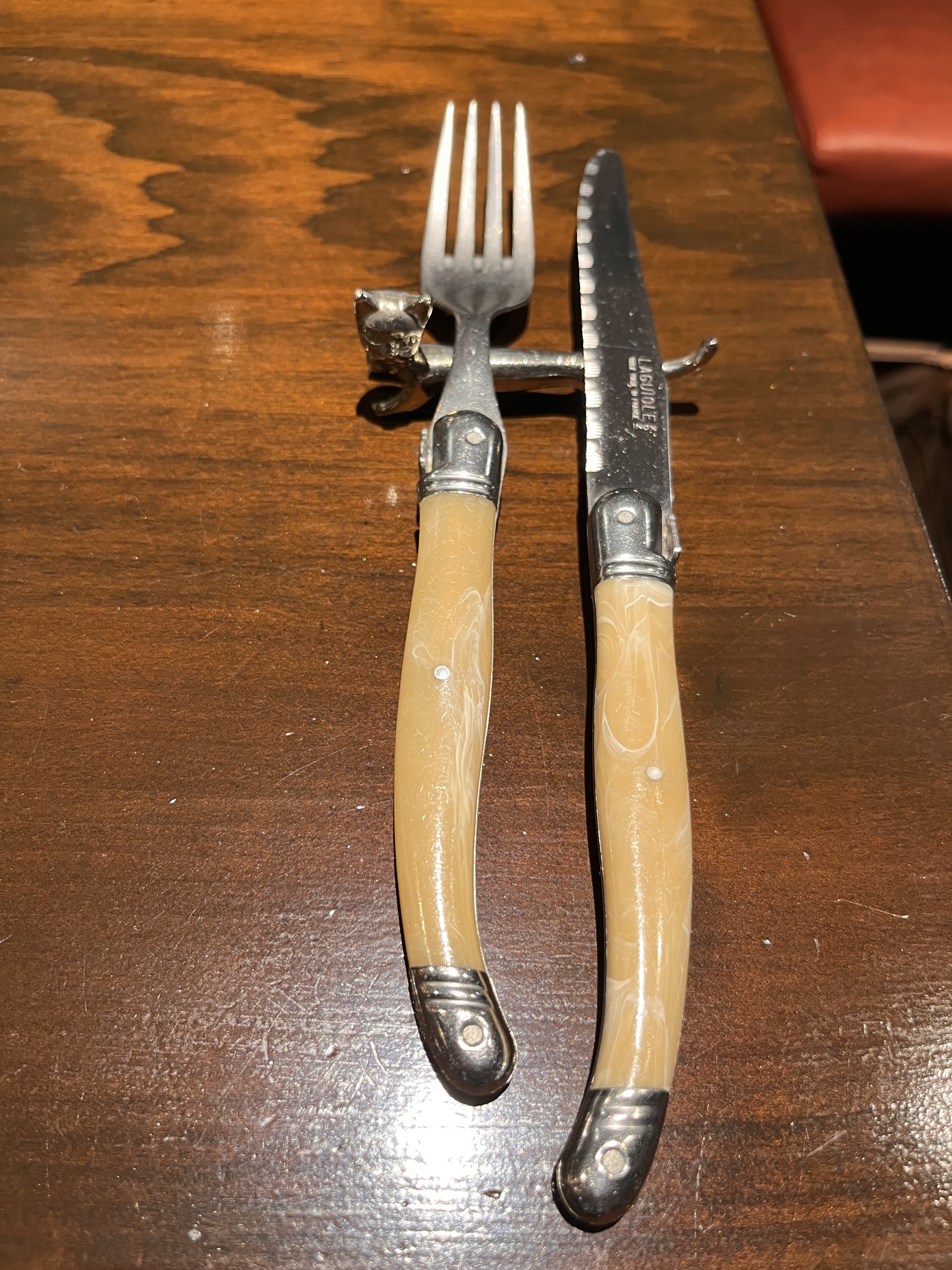
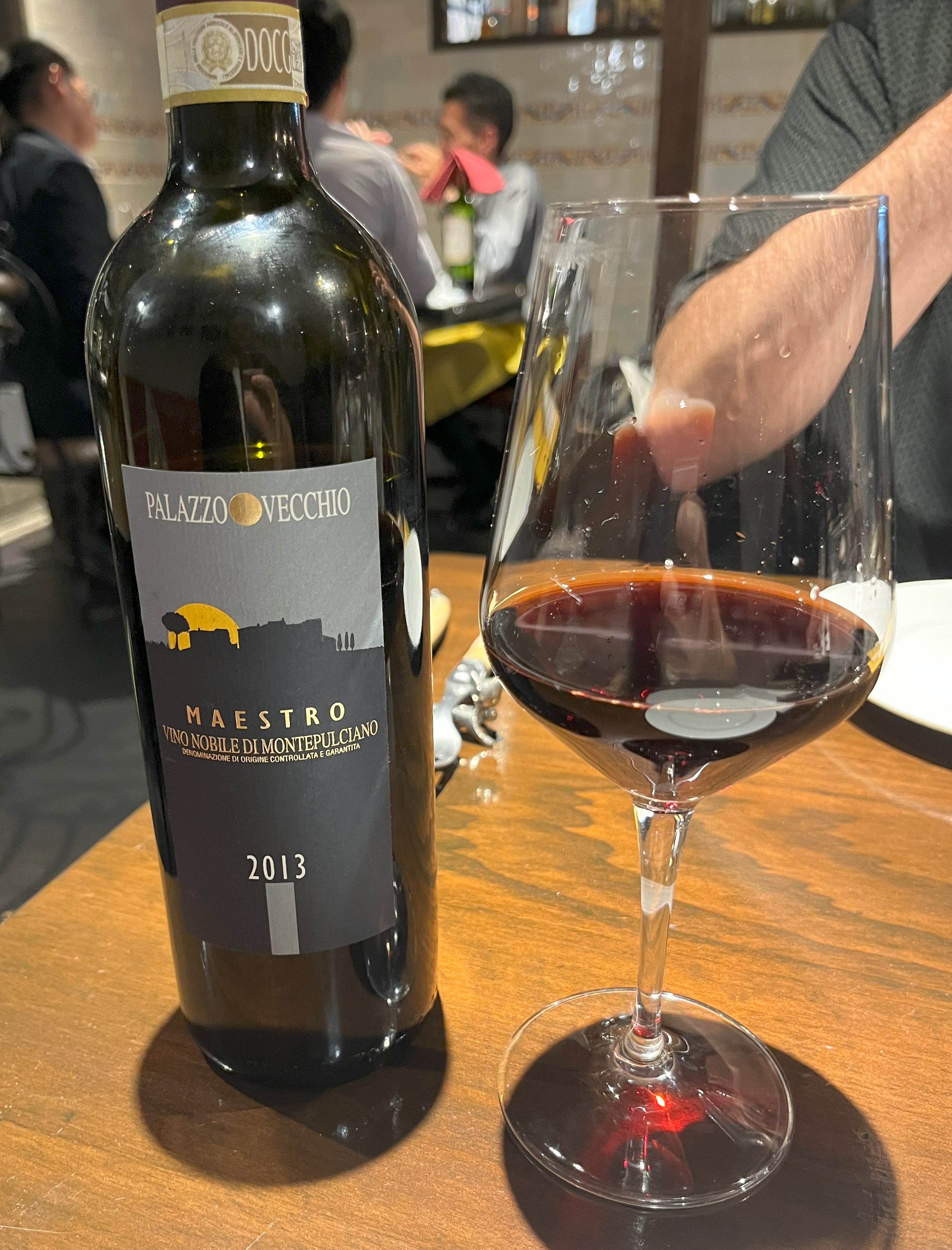


Daniel’s Sole next,
Pizza, delicious red wine.
Cannoli? Not so good.
Day four in Kyoto, we started the day with touring the temples around Nansen-ji, including Konchi-in Temple.

Konchi-in garden,
With Turtle and Crane islands.
Special tea house!
The garden is considered one of the finest examples shakkei, or borrowed scenery, essentially recreating a sea and mountain range through the placement of stones and trees. This temple is also the site of one of the three “major” teahouses of Kyoto, Hasso-no-seki, which means eight windows. The room is only about 9 feet by 9 feet with a low ceiling and eight small windows, staggered unevenly. It is historically important as an example of an “ideal” Japanese tea room, where the Japanese tea ceremony, chanoyu, was formalized into the ceremony it has become today.
After a personal tour of Hasso-no-seki, we decided to grab a coffee instead of a green tea.

A sweet bean pancake.
My girl prefers her coffee –
Iced oat milk latte
The sweet bean pancake was like a sweet version of an arepa, the Venezuelan corn cake, which is split and filled. The pancake we enjoyed was filled with a sweet bean paste. Perhaps we could make a pancake with whipped egg whites (which creates the space to split and fill) then fill with a sweet pumpkin butter and top with a dark maple syrup. More Great Lakes possibilities here.
We were fortunate to be in Kyoto during the Festival of Ages, an annual celebration commemorating the time period when Kyoto was the nation’s capitol, represented by costumes from ancient times up to the more modern era.
Judai Matsuri,
All Kyoto’s history
Parade, pageantry!

Searching for dinner,
Spot lit, simple wooden sign,
Isami Sushi!!

For ninety-nine years,
Just a six-person counter,
Glorious sushi!!

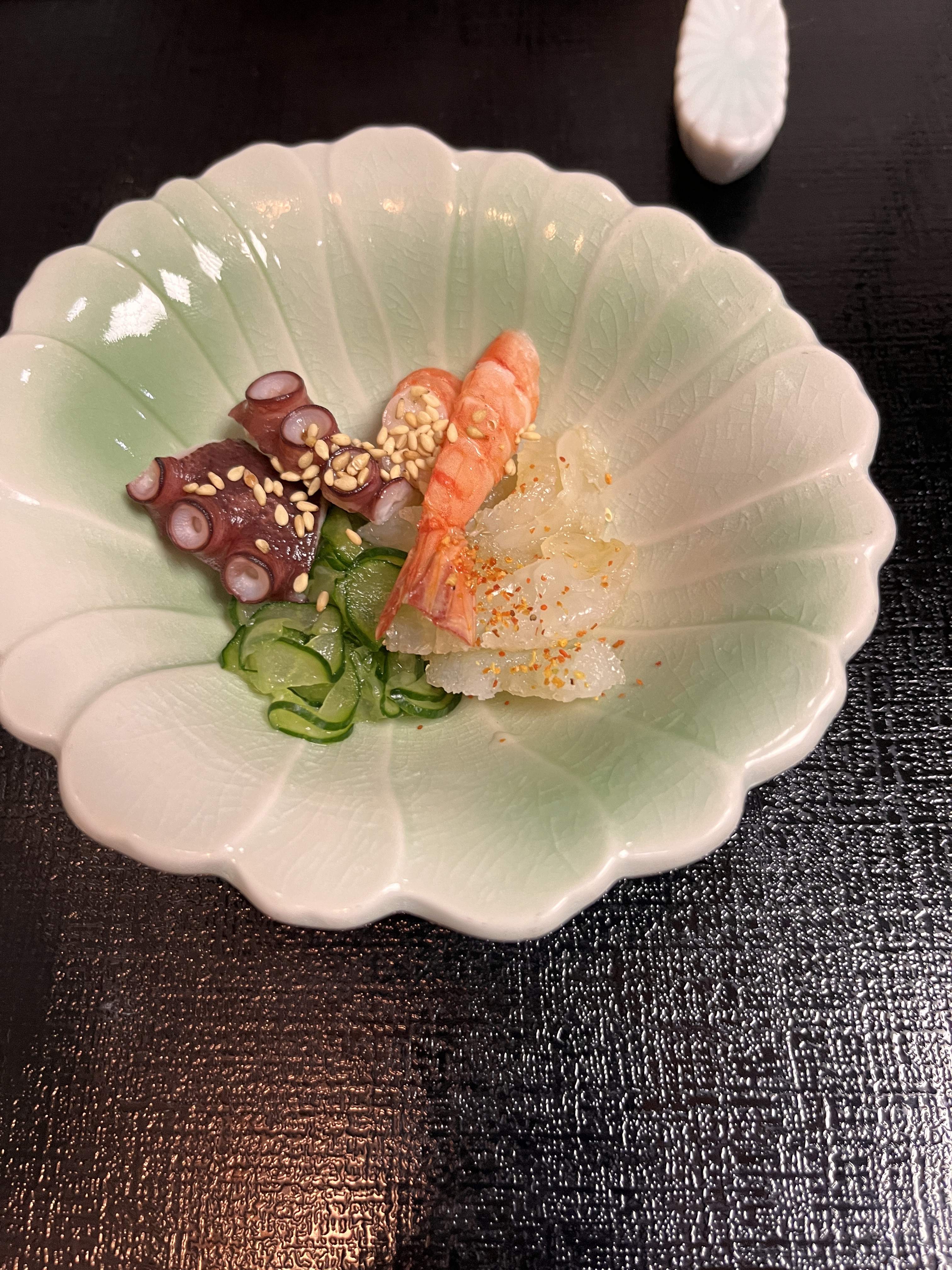


Octopus with cucumbers,
Then shrimp with spiced jellyfish,
Then tuna rolls, sea urchin, squid, eel, mackerel, sweet shrimp, sea bream, fatty tuna,
Too many tastes to count syllables, punctuated by wasabi!
It is almost cliché to claim the greatest sushi you ever eaten was in Japan, but I’ll be happy to be cliché. Isami Sushi has been serving sushi for 99 years. They have one chef and one assistant, 6 chairs at a counter and another 6 chairs between two tables. Only open from 5 PM until 8:30 PM for dinner, they stop taking new customers around 7 PM, so there is just two seatings each night.
Yes, the seafood quality was incredible. It was a first for me with uni (sea urchin), which was wonderful. The fatty tuna (upper left on the large plate of sushi) was creamy and essentially melted in my mouth to an almost buttery finish. The shrimp was simply the sweetest I’ve ever experienced.
Each bite of sushi progressed from the amazing seafood, to perfectly prepared rice, and then a small hit of freshly grated wasabi and then back to the rice and seafood at a heightened level. Freshly grated wasabi has less of the mustardy/horseradish-like kick I have had with prepared wasabi in the US, which is mostly horseradish. Instead, fresh wasabi has the same ability to open up the nasal passages like mustard or horseradish, but without the burning sensation. It creates a sensation that you can breath more fully through the nose. As aroma is deeply tied to our sense of flavor, this sensation bolsters the tasting experience in unique ways.
The tasting experience of fresh grated wasabi was as revelatory as the quality of the seafood! Can we adapt this to horseradish? Horseradish isn’t native to our Great Lakes soils, but it is such an ingrained part of the German and Slavic immigrant culture, it definitely fits into our Great Lakes Cuisine. How might fresh grated horseradish differ from the powdered or prepared options? What possibilities does that open up?
Once again, as we journey, we discover home. Our journey to Japan is revealing numerous possibilities to explore within the Great Lakes Cuisine traditions. We will finish our journey through Kyoto in part 2, which includes a deeper exploration of the whisky culture and some interesting fast food options. And not surprisingly, a return to Isami Sushi!
 Great Lakes Cuisine
3 thoughts on “Culinary Journeys – Kyoto, Japan, Part 1”